The Allure of the Casino Experience
Casinos are meticulously crafted environments designed to captivate guests with dazzling lights, captivating sounds, and an array of exciting games that evoke a sense of thrill and excitement. This immersive atmosphere can lead individuals to spend more time and money than they initially planned, often blurring the lines between entertainment and financial responsibility. As players lose themselves in this exhilarating experience, they may come across promotions on the SlotPlanet official website that further entice them, becoming oblivious to the financial ramifications of their visits, which can accumulate rapidly through gaming, dining, and various entertainment options available.

The allure of the casino experience is further enhanced by complimentary services known as “comps,” which can include free drinks, meals, and accommodations. While these perks may initially seem like added value, they can inadvertently encourage individuals to spend more. When patrons perceive that they are receiving complimentary goods and services, they might rationalize their spending as being part of a special deal, thus overlooking the potential losses incurred while engaging in games of chance. This false sense of financial security can lead to greater expenditure and a lack of awareness regarding losses.
Moreover, the layout of casinos plays a significant role in prolonging visits. With no clocks and limited natural light, individuals can easily lose track of time, leading them to gamble longer than they intended. This environmental design can prompt impulsive decisions, resulting in riskier behavior that increases the likelihood of substantial financial losses. Understanding the psychological tactics employed by casinos is essential for individuals who seek to manage their expenditures effectively and maintain a healthy relationship with gambling.
The True Cost of Gaming
While many people associate casino visits with the money spent on slot machines and card tables, the true cost of gaming involves a multitude of factors that extend beyond immediate bets. Players frequently overlook additional expenses such as transportation, lodging, and meals, which can significantly inflate the total amount spent during a trip. For those traveling from distant locations, costs can quickly add up through gas or airfare, along with accommodation and dining, often resulting in a surprising overall expenditure that surpasses initial expectations.
Additionally, the emotional toll associated with gambling can also be classified as a hidden cost. Participants may not fully recognize the stress and emotional strain that can accompany a series of losses. This emotional burden can lead to mental health challenges such as anxiety and depression, significantly impacting individuals’ overall well-being. Acknowledging the psychological effects of gambling is crucial, as it emphasizes the importance of understanding how leisure activities can influence mental health and lead to long-lasting consequences.
Furthermore, frequent visits to casinos can initiate a cycle of debt as players chase losses, leading them to rely on credit cards or loans to fund their gambling habits. This financial instability can seep into daily life, affecting personal finances, relationships, and overall quality of life. It is vital for individuals to recognize the importance of establishing strict budgets and adhering to them when participating in gambling activities, as this can help mitigate the risks associated with excessive spending.
Social Consequences of Frequent Visits
The social implications of frequent casino visits are often overlooked and can have significant consequences. Regular patrons may find their relationships with family and friends strained due to the time and resources dedicated to gambling. This commitment can lead to missed family events, diminished quality time with loved ones, and potential isolation as individuals retreat into their gambling routines. As social connections weaken, the emotional costs of frequent visits may overshadow the fleeting exhilaration that comes from winning.
Moreover, individuals who gamble frequently may unintentionally influence their friends or family members to engage in similar behaviors. This influence can create a domino effect, perpetuating a culture of gambling that normalizes excessive participation. If left unchecked, such social trends can lead to a community where gambling is viewed as an acceptable pastime despite its associated risks and costs, potentially resulting in widespread financial and emotional difficulties among peers.
Furthermore, frequent casino visits can carry a stigma that affects an individual’s reputation within their social circles. Those known for excessive gambling may face judgment from friends or colleagues, leading to feelings of shame and embarrassment. This social dynamic can exacerbate the emotional challenges associated with gambling, creating a vicious cycle that is difficult to escape. Recognizing these social dynamics is crucial for maintaining a balanced perspective on leisure activities and ensuring that gambling remains a fun and responsible pastime.
Financial Management Strategies for Gamblers
Understanding the hidden costs of frequent casino visits is paramount for gamblers who wish to engage in their hobby responsibly. One effective strategy is to establish a strict budget for each outing. This budget should encompass not only gaming expenses but also costs related to travel and dining. By setting a predetermined spending limit, individuals can enjoy their time at the casino without the fear of accumulating debt, thus fostering a healthier approach to gambling that prioritizes financial well-being.
In addition to budgeting, it is essential for gamblers to keep track of their time spent at the casino. Setting alarms or timers can help maintain awareness of the duration of their visits, preventing extended sessions that lead to unnecessary financial strain. Furthermore, players may benefit from utilizing self-exclusion programs that many establishments offer, allowing individuals to take breaks or voluntarily restrict their access to gambling facilities to cultivate a more balanced lifestyle.
Finally, seeking support from friends, family, or professional organizations can significantly assist individuals in managing their gambling habits. Open discussions about financial concerns and the emotional impact of gambling can create a sense of accountability and encouragement. By fostering an environment of transparency, gamblers can share experiences and discover resources that help mitigate the risks associated with frequent casino visits, ensuring that their gambling remains a source of enjoyment rather than distress.
Understanding the Role of the Website
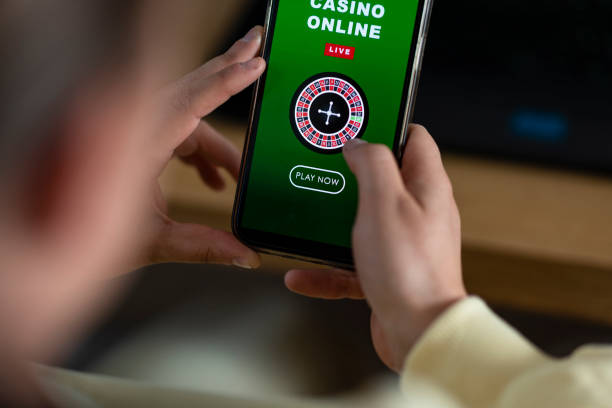
As the digital landscape continues to evolve, recognizing the importance of online platforms dedicated to gambling can greatly enhance awareness of the potential costs and risks involved. These websites often serve as valuable resources, providing statistics, insights, and educational materials that can help players make informed decisions about their gambling habits. By utilizing these digital tools, individuals can gain a better understanding of the odds associated with different games and the importance of practicing responsible gambling.
Online communities and forums frequently emerge on these platforms, allowing individuals to share experiences and learn from one another. Connecting with others who have faced similar challenges can provide essential support and help cultivate a more responsible approach to gambling. Participants stand to benefit from the collective wisdom and expertise of the community, empowering them to make better choices regarding their gaming activities.
Ultimately, leveraging online resources can lead to a more profound understanding of the hidden costs associated with frequent casino visits. Comprehensive websites dedicated to gambling safety can guide players in recognizing the various risks involved, emphasizing the importance of maintaining a balanced approach to gaming. By being aware of these factors, individuals can foster healthier gambling habits, allowing them to enjoy their experiences without succumbing to the potential pitfalls of excessive gambling.